

Be honest. How much do you trust your own sales forecast? If the answer is not much, you’re not alone. Gartner found that fewer than half of sales leaders and sellers had high confidence in their forecast accuracy. Industry reporting on Gartner research also puts the share of organisations achieving 90 per cent forecast accuracy or better at around 7 per cent.
A poor forecast isn’t just an abstract business problem. It can lead to hiring you cannot afford, stock you don’t need and unexpected cash flow problems. AI sales forecasting can help reduce that uncertainty by analysing historical deal data, sales pipeline activity and buyer engagement signals to identify patterns that traditional spreadsheets may miss.
For B2B businesses, the value goes beyond predicting revenue. Better forecasting can help managers understand pipeline risks, plan resources and make more informed commercial decisions. Here’s where AI in sales can help, where human judgement remains essential and how to get started without a large technology budget.
Why Traditional Sales Forecasting Falls Short
Traditional sales forecasting often relies on each salesperson estimating which deals are likely to close, with those estimates added together to produce a company-wide forecast.
This approach creates three common problems.
Sales optimism:
Salespeople naturally believe in their opportunities. While confidence helps them sell, it can make it difficult to assess deal probabilities objectively.
Outdated CRM information:
A forecast is only as reliable as the information behind it. If salespeople fail to update deal values, expected closing dates and opportunity stages, managers are working with an incomplete picture.
Hidden pipeline patterns:
A deal that has remained in the proposal stage for 60 days may have a very different likelihood of closing from one that entered the same stage last week. Traditional forecasting methods can overlook these differences.
Gong’s 2023 research found that more than 80 per cent of companies surveyed had missed a revenue forecast within the previous two years. This highlights why businesses need more consistent pipeline information and forecasting processes.
What Is AI Sales Forecasting and How Does It Work?
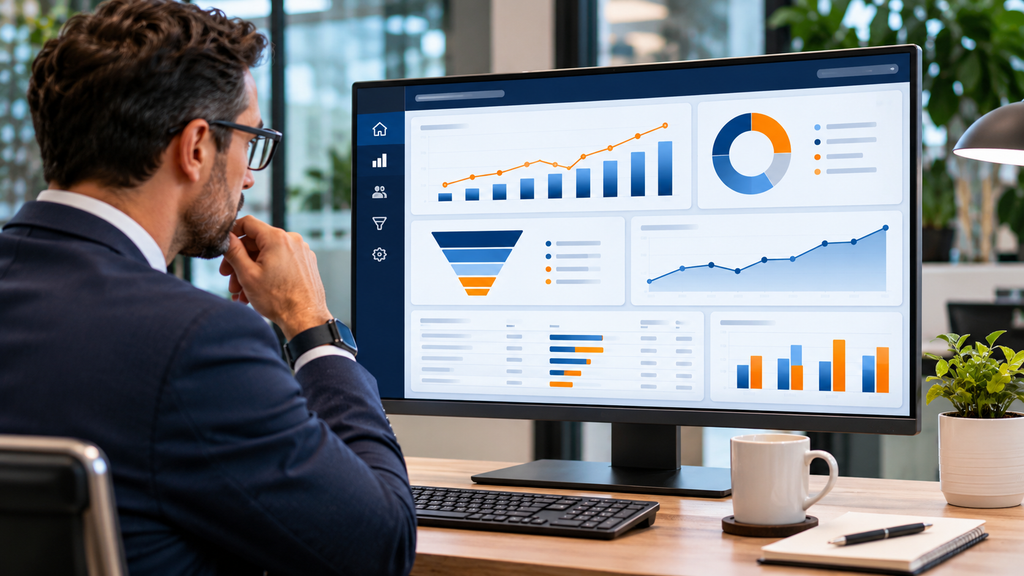
AI sales forecasting uses historical sales information, current pipeline activity and other relevant signals to estimate the likelihood of future revenue.
Rather than relying entirely on a salesperson’s opinion, forecasting models learn from patterns in previous opportunities, including:
- How long successful deals typically spend in each sales stage.
- Which sales activities commonly happen before a deal closes.
- Which customer segments and lead sources generate the strongest conversion rates.
- How deal values and expected closing dates change during the sales cycle.
- Which behaviours are associated with delayed, lost or successful opportunities.
The system can then assess active opportunities against these historical patterns and highlight potential risks.
For example, it might flag a deal that has had no recent meeting activity, remained in the same pipeline stage for several weeks or had its expected closing date moved multiple times.
Industry reporting on Gartner research has suggested that AI-driven approaches can improve sales forecast accuracy by around 10 to 20 per cent. This should be treated as an indicative finding rather than a guaranteed improvement. Actual results depend on the quality of the data, the forecasting method and how effectively the business uses the information.
Five Practical Ways to Use AI in Sales Forecasting and Commercial Decisions
The most useful applications are those that help sales managers identify problems earlier and make better decisions.
1. Deal Health Scoring
Deal health scoring helps identify which opportunities are progressing and which may be at risk.
A forecasting model can assess factors such as inactivity, stalled sales stages, missed meetings and repeatedly changing closing dates. Managers can use these signals to prioritise coaching and follow-up rather than focusing only on the deals receiving the most attention.
2. Pipeline Coverage and Sales Velocity
Pipeline coverage shows whether the value of active opportunities is sufficient to support future revenue targets. Sales velocity helps businesses understand how quickly opportunities move through the pipeline.
AI in sales can help identify changes in these measures, highlight weaker pipeline segments and estimate whether the current volume of opportunities is likely to support upcoming targets.
This gives commercial leaders an earlier indication of potential revenue gaps.
3. Scenario Planning
Businesses regularly face decisions about recruitment, pricing, marketing expenditure and operational capacity.
Forecasting models can help compare different scenarios before committing resources.
For example, a business could assess what might happen if conversion rates fall, average deal values increase or a new salesperson joins the team.
The purpose is not to produce a perfect prediction. It is to understand the possible outcomes and make more informed commercial decisions before committing money.
4. Early Warning of Revenue Shortfalls
A forecast that only highlights a revenue shortfall at the end of a quarter gives managers very little time to respond.
Regularly updated pipeline information can help identify potential problems earlier. If opportunities are progressing more slowly than expected, managers can investigate the reasons and decide whether additional sales activity, coaching or revised targets are needed.
This makes forecasting a practical management tool rather than simply a reporting exercise.
5. Resource and Territory Planning
Sales performance can vary considerably between customer segments, products, territories and lead sources.
Analysing conversion patterns can help businesses understand where sales effort generates the strongest returns.
These insights can support decisions about territory allocation, recruitment, marketing investment and sales team priorities. Few commercial decisions benefit more from reliable performance information than resource allocation.
Where AI Should Not Make the Decision
Forecasting technology can identify patterns, but it cannot understand every commercial situation.
There are three important limitations.
New markets and unusual opportunities:
Forecasting models learn from historical information. They may be less reliable when a business launches a new product, enters an unfamiliar market or pursues an unusually large strategic opportunity.
Poor CRM data:
Incomplete deal records, inconsistent sales stages and inaccurate closing dates undermine forecast reliability. No forecasting tool can compensate fully for information that has never been recorded.
Strategic judgement:
Whether to protect margins during a downturn, pursue a major customer or enter a new market requires commercial experience and an understanding of the wider business.
The right approach is to use forecasting insights as evidence, not instructions. An experienced fractional commercial director can help interpret the information, challenge assumptions and turn findings into practical action.
The distinction matters. Better information supports better commercial decisions, but responsibility for those decisions remains with business leaders.
How to Get Started Without a Big Budget
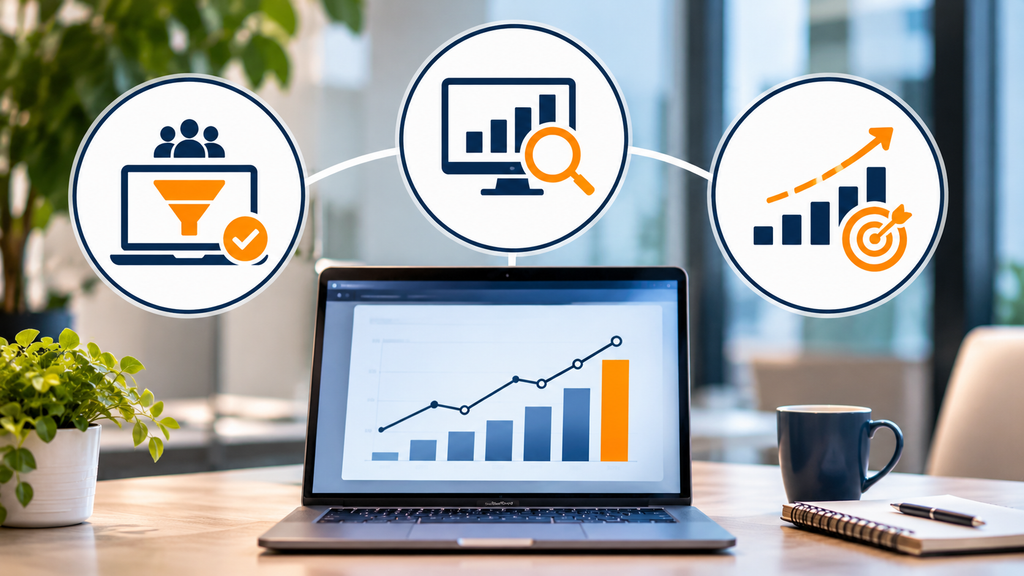
You don’t necessarily need expensive new software to improve your forecasting process. Start with three practical steps.
1. Improve your CRM data quality.
Make sure every opportunity has an accurate value, sales stage, expected closing date and recorded outcome. Establish clear definitions for each pipeline stage so that everyone follows the same process.
A documented repeatable sales process also helps ensure that sales information is captured consistently rather than remaining in individual employees’ inboxes or memories.
2. Review the forecasting features you already have.
Check whether your existing CRM includes predictive forecasting, opportunity scoring or reporting features. Availability varies by platform, subscription and configuration, so check what your current system actually provides before purchasing additional software.
3. Compare forecasts against actual results.
Run your existing forecasting method alongside any new predictive features for at least one quarter. Compare both forecasts against actual revenue and investigate where the differences occur.
This will help you identify whether the technology is improving your forecasting process or simply producing another set of numbers.
If you need help establishing the right sales processes and management structure, Odinnu’s approach to commercial implementation can help you understand how to turn better information into consistent business practice.
Frequently Asked Questions
Q: How accurate is AI sales forecasting?
Its accuracy depends on the quality of historical data, the forecasting model and the consistency of sales processes. Gartner research reported in industry coverage places typical organisational forecast accuracy in the 70 to 79 per cent range, with AI-assisted approaches potentially improving on baseline methods. These figures should not be treated as a guarantee for individual businesses.
Q: What data do you need before starting?
Ideally, you should have one to two years of historical sales information, including opportunity values, sales stages, closing dates, lead sources and final outcomes. Consistency matters more than simply having a large volume of records. If this information is incomplete, improving CRM data quality should come first.
Q: Can small businesses benefit, or is this only for large enterprises?
Small and medium-sized businesses can benefit from better forecasting too. Many CRM platforms offer forecasting and reporting features that are accessible without enterprise-level technology budgets. The main requirement is reliable sales information and a clear process for reviewing results.
Q: Will AI in sales replace the sales manager?
No. Forecasting tools can help sales managers identify risks, monitor pipeline performance and spend less time manually estimating revenue. However, coaching, relationship management, accountability and strategic judgement remain essential management responsibilities.
The Real Prize: Better Decisions, Not Just Better Numbers
AI sales forecasting earns its value through what a more reliable forecast allows a business to do. Hire at the right moment. Protect margins with greater confidence. Invest where conversion data indicates the strongest potential return, and reduce unexpected changes to your cash position.
The technology can improve the evidence available to decision-makers, but sound commercial decisions still depend on leaders who understand their customers, sales teams and wider business objectives.
If you want to improve forecasting while strengthening the commercial structure behind it, start by reviewing your business growth scorecard or contact Odinnu to discuss where your forecasting and commercial management could improve.